

Modi, the enigma
The Continental · 2 October 2026
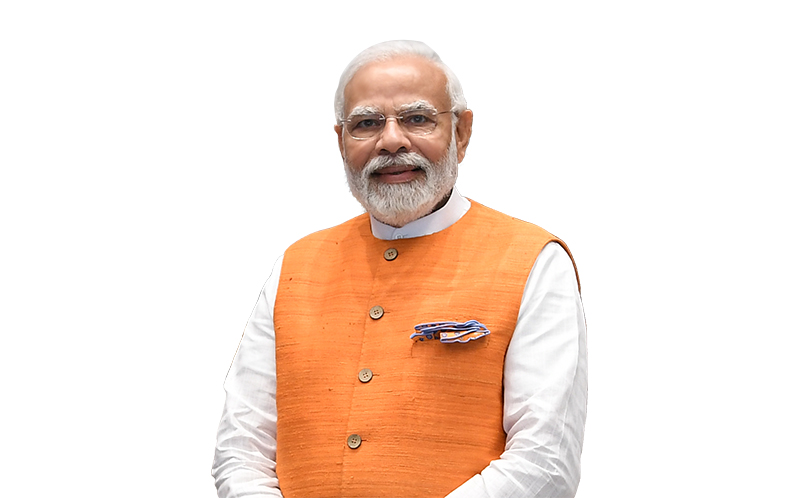
Government of India · GODL-India · archive image
Image credit & source
Achievement, authority and the theatre of power. A leader deserves recognition and scrutiny.
Narendra Modi is difficult to assess because the politician, the administrator and the performer rarely appear separately. Each strengthens the others. A government announcement becomes a personal assurance. An election becomes a judgment on his leadership. A public ceremony becomes a demonstration of national confidence. Admirers see purpose and energy in this combination. Critics see an excessive concentration of attention around one man. Both responses help explain his lasting appeal and the intensity of the resistance he provokes.
His strongest political achievement has been to make government feel personally accessible to many citizens who previously experienced it as distant paperwork. Welfare programmes, public addresses and repeated communication have created a recognisable relationship between the leader and the beneficiary. That relationship should not be dismissed as mere advertising. A bank account, a household connection or a benefit that arrives can matter profoundly. The real test is whether access becomes reliable service, economic opportunity and greater independence over time.
Financial inclusion deserves particular recognition. Jan Dhan expanded the effort to bring underserved households into formal banking. Digital payments and transfers have also made transactions easier for many Indians. These developments did not emerge from one individual alone. They depend on institutions, earlier investments, public servants and private innovation. Yet political leadership can accelerate adoption and sustain administrative attention. Modi has repeatedly given these programmes that attention. Recognition is fair, provided credit does not erase the people doing the work.
Infrastructure provides another powerful source of his appeal. Roads, railway improvements and public projects give development a visible presence. Citizens can inspect a bridge more easily than an abstract policy promise. A government that places delivery at the centre of its political message invites a useful standard of judgment. But inauguration is the beginning of that judgment. Maintenance, affordability, safety and actual use matter afterward. A photograph from an opening ceremony cannot substitute for years of dependable performance for ordinary citizens.
Internationally, Modi has made India's leadership highly visible. His engagements project a country determined to speak for itself and pursue its interests. That confidence has value in a world of competing powers. However, diplomacy should be assessed through outcomes rather than applause. Trade, security, investment and the treatment of Indians abroad offer better measures than the number of cameras at an event. A leader can command attention while still facing difficult negotiations and compromises that publicity cannot resolve for him.
The difficulty begins when communication grows larger than administration. Modi understands the emotional power of an image. The setting, the clothing, the gesture and the timing can turn an ordinary political appearance into a national spectacle. This ability is not inherently objectionable. Democratic leaders need to communicate. The problem arises when theatre discourages questions, makes criticism appear unpatriotic or suggests that loyalty to a person is equivalent to loyalty to India. A republic needs room for disagreement without humiliation or suspicion.
Employment is an essential test of every development narrative. Young people do not live inside speeches. They need fair examinations, usable skills, dependable recruitment and opportunities that reward effort. The question is not whether a government can display successful individuals. It is whether opportunity reaches enough people across regions and social backgrounds. Celebrating national ambition while avoiding the anxieties of applicants would weaken the promise itself. Confidence becomes more convincing when political leadership acknowledges frustration and explains what will change.
Institutional independence is equally important. Courts, election authorities, Parliament, journalism and investigative bodies must retain credibility beyond the preferences of any administration. A strong prime minister benefits from institutions that can challenge him honestly. They correct mistakes before those mistakes become national liabilities. Supporters should therefore demand accountability rather than treat it as an insult. Critics should also distinguish evidence from suspicion. Accusations require substantiation, just as claims of achievement require results that others can examine and contest in public.
Modi's language of national belonging can inspire solidarity, but its success depends on who feels included. India contains many faiths, languages and histories. No political majority removes the obligation to protect equal citizenship. A leader who asks citizens to take pride in their country should also make them confident that the country belongs to them. This is a practical responsibility. Social mistrust can damage neighbourhoods, businesses and public institutions long after the immediate electoral advantage has faded from the headlines.
The fairest assessment neither reduces Modi to a caricature nor exempts him from criticism. He has brought energy, political discipline and an unmistakable capacity to communicate. His emphasis on delivery has influenced what citizens expect from government. Yet power should produce stronger public institutions, not simply stronger personal branding. The theatre becomes defensible when it serves substantive work and accepts scrutiny. It becomes distracting when it demands admiration in place of answers. Modi's legacy will be decided by what remains useful after the stage lights have moved elsewhere.
For readers, the responsibility is to resist easy worship and easy contempt. Ask what changed, who benefited, who paid and what remains unresolved. A serious country deserves that serious conversation, especially when its most influential politician can make almost every conversation about himself.
Government programme background; assessment is The Continental’s opinion · Read source
Interviews, advertising and promotions: info@thegoodearthpublishers.com